KITCHEN · FOOD, ATTENTION AND CARE
Food that
supports you.
A practical guide to food, hydration and habits at the table. Scientific explanations, small actions and traditions you can give personal meaning.
Explore the guide →Care can begin with an everyday meal.
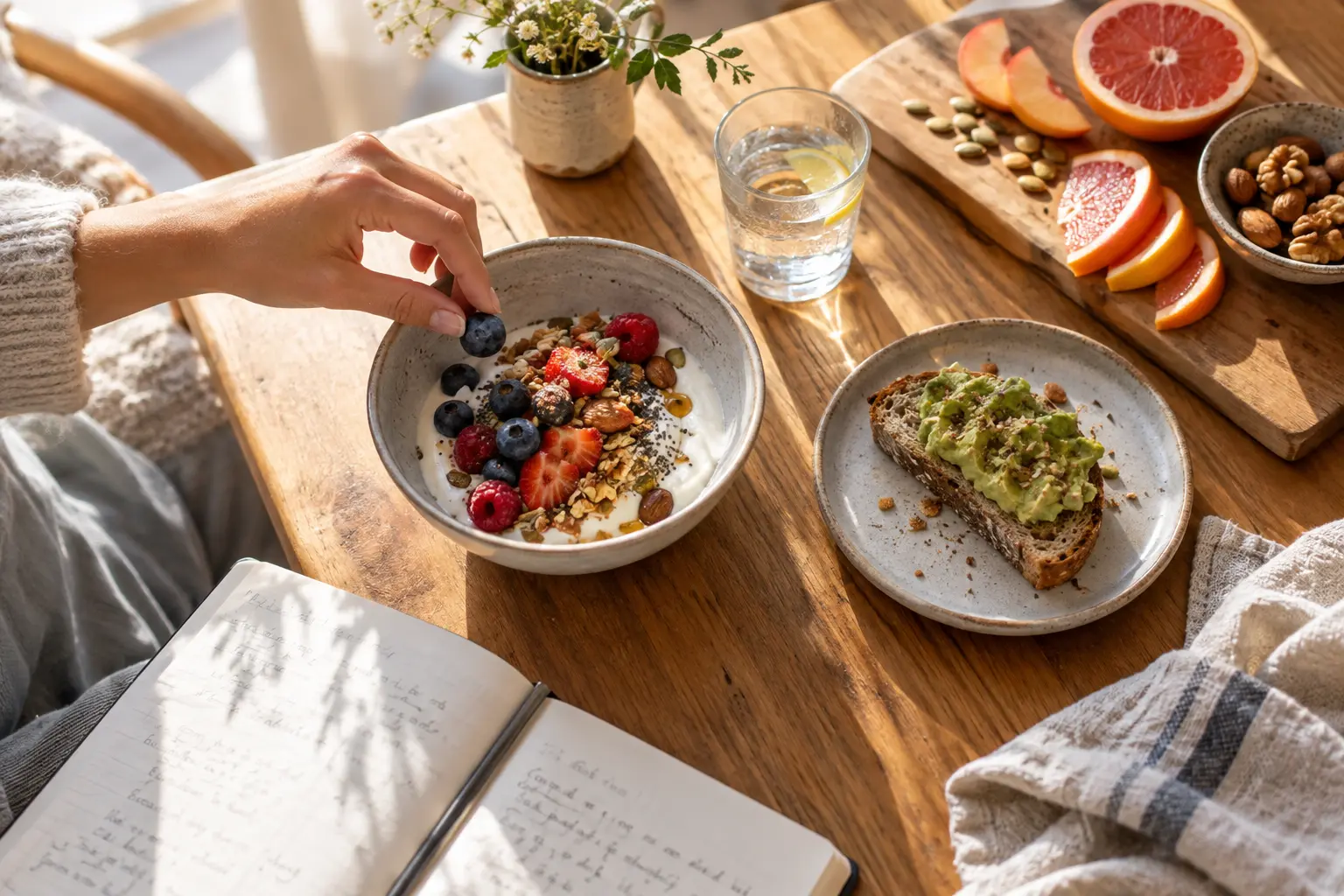
Useful things to know about food
Different approaches share ideas of variety, moderation and attention to meals. Agreement with a tradition alone does not prove a health benefit. Reliable nutrition guidance draws on research and dietary recommendations.
We do not promise absolute certainty or identical results for everyone: evidence develops and needs differ. No single food must suit everyone. These are general guides for adults; health conditions and prescribed diets need individual advice.
01 · FOOD, EXPLAINEDWater: support, without forcing
Water supports normal body function. Food, tea, coffee and milk also contribute fluid. The NHS suggests 6–8 cups or glasses of drinks a day as a rough guide; heat and activity can increase needs. Pale yellow urine is one clue, although medicines and vitamins can change its colour.
Keep water within reach and drink regularly. Choose a comfortable temperature. Follow any prescribed fluid restriction.
02 · FOOD, EXPLAINEDVariety matters more than a superfood
Vegetables, fruit, whole grains, pulses, nuts and seeds supply different nutrients. For adults, WHO recommends at least 400 g of vegetables and fruit and 25 g of dietary fibre daily. These are dietary guides, not a test of perfect eating.
Add another vegetable, fruit or pulse to familiar meals. Frozen foods count too; check canned products for added sugar and salt.
03 · FOOD, EXPLAINEDRoot vegetables: everyday nourishment
Carrots, beetroot, turnips and radishes add variety and fibre. Potatoes are tubers usually treated as the starchy part of a meal; they do not replace a variety of other vegetables. No particular root vegetable is essential for everyone.
Rotate vegetables and try boiling, steaming or moderate roasting. There is no need to force yourself to eat a particular food you dislike or cannot tolerate.
04 · FOOD, EXPLAINEDEggs: protein and choline
Eggs are one source of protein and choline. Choline is needed for cell membranes and for making acetylcholine, a substance involved in nerve signalling. A large hard-boiled egg provides about 147 mg of choline. Eggs are nutritious, but there is no single daily egg target for everyone.
Include eggs in a varied diet if you eat them. If you avoid them, choose other protein and choline sources, such as soy foods. Avoid eggs if you have an egg allergy.
05 · FOOD, EXPLAINEDCarbohydrates: a source of energy
Starchy foods such as grains, bread, rice, pasta and potatoes can belong in a balanced diet. Wholegrain versions generally provide more fibre. There is no need to label carbohydrates as bad: food choice, portion and the overall diet matter.
Choose oats, buckwheat, wholegrain bread or brown rice more often. Familiar white rice can still have a place.
06 · FOOD, EXPLAINEDAn easy plate to build
Canada’s food guide offers a starting point: half the plate vegetables and fruit, a quarter whole grains and a quarter protein foods. Protein can come from plants. This shows proportions, not an individual calorie prescription.
Rotate beans, lentils, tofu, eggs, fish or meat according to your preferences. Include sources of unsaturated fats, such as plant oils, nuts and seeds.
07 · FOOD, EXPLAINEDWhy digestion starts in the mouth
Chewing breaks food into smaller pieces and mixes it with saliva. A salivary enzyme begins breaking down starch, one type of carbohydrate. Digestion then continues elsewhere in the digestive tract. Carbohydrates do not need to be fully digested in the mouth.
Take small bites and chew until food feels soft and comfortable to swallow. There is no universal requirement to chew 30 or 40 times. Chew all solid food thoroughly.
08 · FOOD, EXPLAINEDEating with attention
You can try attention without a promise of weight loss or a cure for digestive problems. Here the aim is to notice taste, texture, hunger and fullness. In the Plum Village tradition, meals are accompanied by mindfulness, gratitude and moderation: a spiritual practice, not medical guidance.
Sit comfortably and put your screen aside for the first few bites. Try resting your cutlery between bites. Pause and ask: “Would I like more food?”
09 · FOOD, EXPLAINEDMeal timing: fit your day
Choose a manageable rhythm around sleep, work, appetite and medical advice. This guide does not prescribe identical breakfast times or a ban on eating after 6 pm. Night-time reflux is a specific clinical case: NIDDK suggests finishing meals at least three hours before lying down.
Plan convenient opportunities to eat. Diabetes, pregnancy, eating disorders or medicines may call for an individual meal schedule.
10 · FOOD, EXPLAINEDFood safety is care too
Even a clean, uncracked shell does not guarantee an egg is free of Salmonella. FDA guidance is to cook eggs until the white and yolk are firm; use pasteurised eggs or egg products for dishes without sufficient cooking.
Wash hands and utensils after contact with raw eggs. Follow storage instructions and do not leave cooked food sitting in warm conditions.
You can add meaning
Gratitude before a meal
In the Buddhist Plum Village tradition, people reflect on the earth, nature and human work behind a meal. Gratitude, awareness and moderation are central. This describes a tradition, not evidence that a ritual treats illness.
- Pause for one calm breath before your first bite.
- Notice the colour, smell and temperature of your food.
- Silently thank the people who grew and prepared it.
- Give your first few bites attention to taste.
This is an optional secular practice inspired by the tradition, not its exact text. Read about Plum Village ↗
Roots as an image of steadiness
In our Kitchen’s symbolic language, root vegetables can stand for Earth, home and support; an egg can represent the possibility of a new beginning. These are suggested images for reflection, not a universal teaching or measurable food properties. Ask yourself: “What helps me feel supported today?”
This kind of grounding is a metaphor. It does not establish effects on chakras, vibrations or energy blocks. Spiritual traditions differ and offer no single compulsory food list.
What to take into today
- Keep water within reach.
- Add a vegetable or fruit to a familiar meal.
- Include a protein source and wholegrain foods.
- Eat the first few bites without a screen and chew comfortably.
- Choose one habit you would enjoy repeating tomorrow.
Where this information comes from
Sources checked on 17 October 2026. Dietary guidance and the account of a tradition are separate; spiritual practice is not evidence of a physiological effect.
Continue caring for yourself

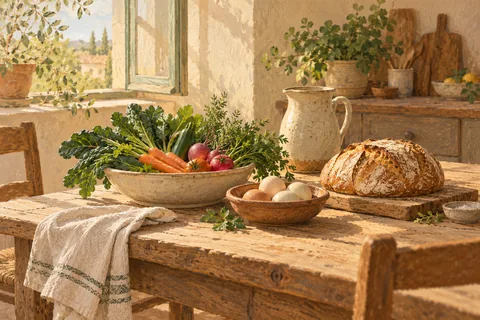
Shall we continue over tea?
The tea room brings flavour, a small attention ritual and an invitation to meet tea masters.
Wander into another room
Where would you like to go today?
You can visit every room.

By the fire
Be together. Feel the warmth.

Veranda
Breath, movement and open space.

Kitchen
Cook. Explore. Care.

Tea room
Taste, attention and guests around one table.

Workshop
ART CHAOS · music and creativity.

Room for thought
Hear yourself through the noise.

Library
Read, explore, find what speaks to you.

Bathhouse
Steam, traditions and a gentler pace.

Beauty room
Skincare, treatments and care for yourself.

Bedroom
Dim the lights. Let the day go.
MY PERSONAL PHOTO DIARY · COLLECTIVE MEMORY
My life beyond the online home
On Collective Memory, I share real photographs and moments I actually live: walks, travels, encounters and little discoveries from everyday life. Come get to know me through the things I notice. Find me as VeNa.
My invite code:
AVJT2
How to join
- Download Collective Memory for iOS or Android using the button below.
- On the sign-up screen, first enter AVJT2 in the code field below the email field.
- Only then enter your email and continue signing up.
- Find VeNa and follow me.
The order matters: code first, email second. Please include the code when joining through my invitation.
Download Collective Memory ↗iOS & Android · Referral invitation. We can both earn ATTN under the programme; rewards depend on the app’s rules.
A taste of my Bangkok
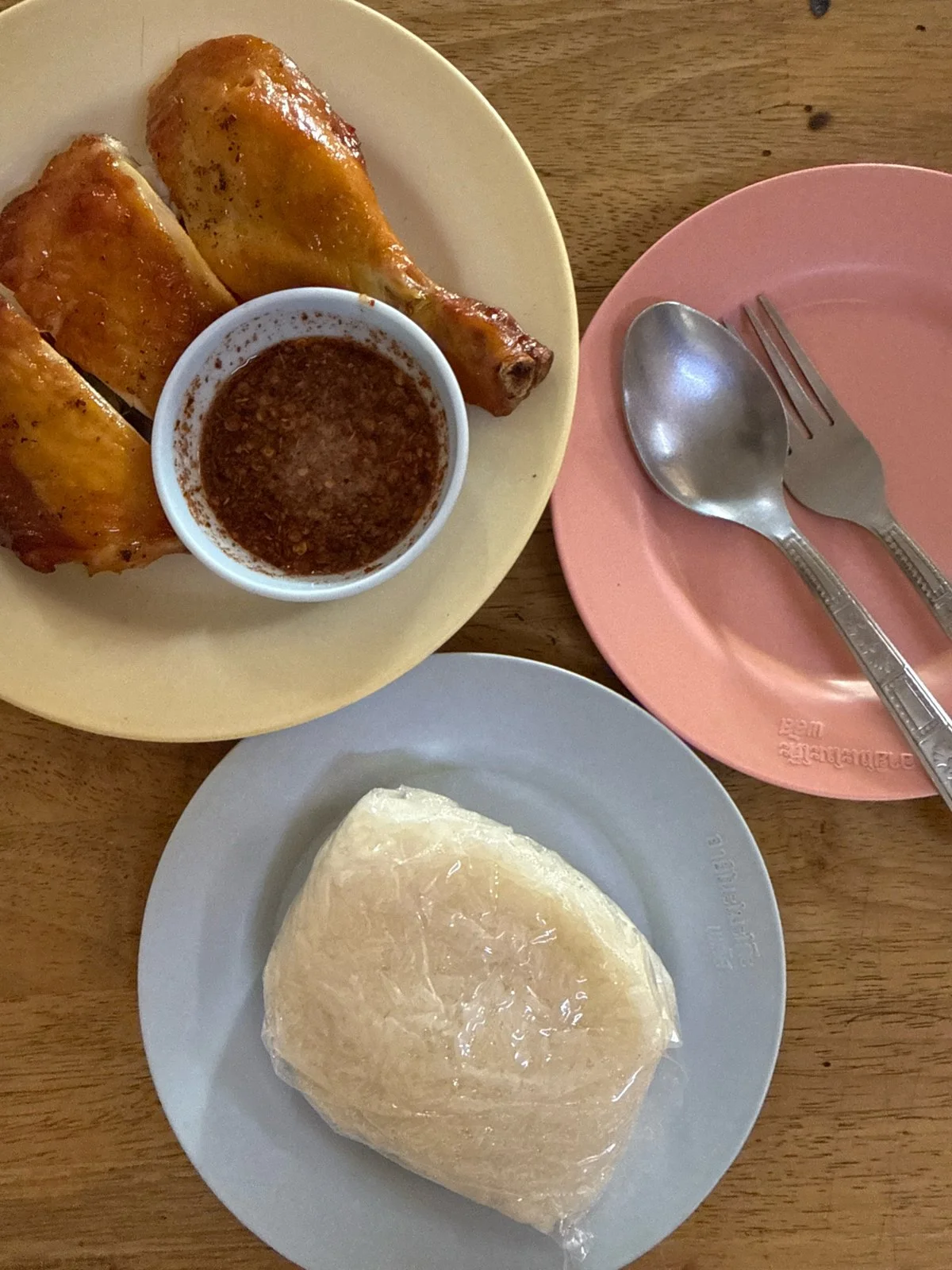
BANGKOK · NATA’S RECOMMENDATION
The 50-baht chicken I keep coming back for
A generous portion, charcoal grill and a place I have returned to for five days. Photos, map and practical notes.
Read the story →